
A common question young builders ask me today is: should I go straight into startups, or work at a large company first?
This is basically the age old question: is it better to be a big fish in a small pond, or a small fish in a big pond?
I've experienced both firsthand. Both paths teach you different things, and both mess you up in different ways. Long answer short: it depends on your eventual goal. Large companies teach you what good looks like at scale. Startups teach you that you can just build the thing yourself.
I. The Big Pond Teaches Taste
Working in a big pond teaches you scale in a way you never thought possible. I started my software engineering career at Google for three years, arguably one of the biggest ponds there are. I worked on the Google Geo team, on the Maps product, and shipped features that impacted 300 million DAU. Just typing that still feels fake.
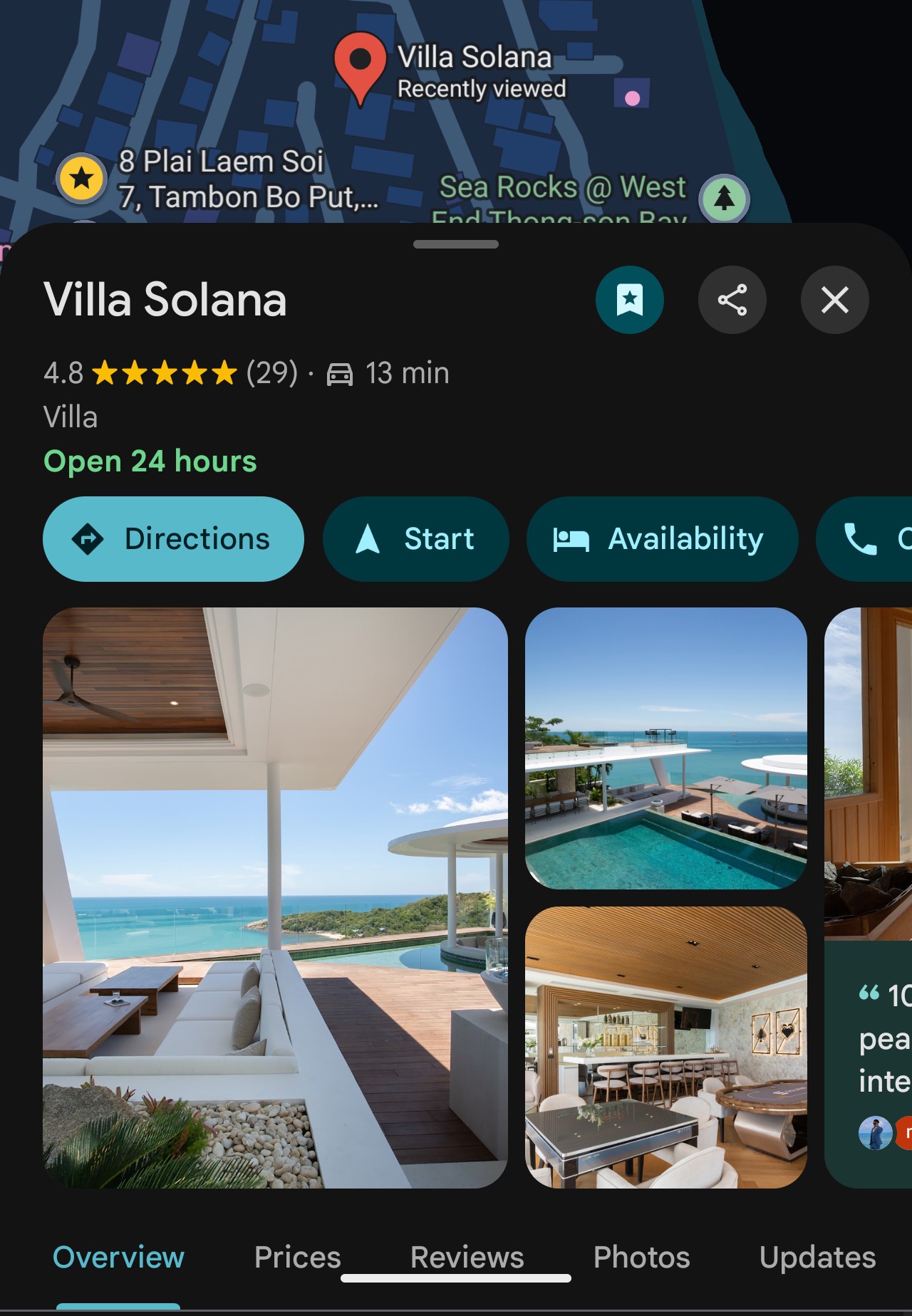
I learned how businesses operate at scale, and how one of the greatest PMFs in history works. I learned what polished product feels like. I learned that accessibility, reliability, usability, launch reviews, and all the boring stuff are not fake work when millions of people depend on what you ship.
II. The Big Pond Also Teaches the Wrong Instincts
But scale teaches the wrong instincts too. Gigantic multinationals and startups need vastly different strategies. At Google, I learned how to operate inside a massive machine as a small cog. That is useful, but it doesn't neatly translate to a startup with six weeks of runway to find PMF.
Writing design docs, doing usability reports, and making sure every button fits accessibility requirements work great at Google. Those things are part of why Google products feel like Google products. But if you copy that entire operating system into a tiny startup that still has not figured out why anyone should care, you are cooked.
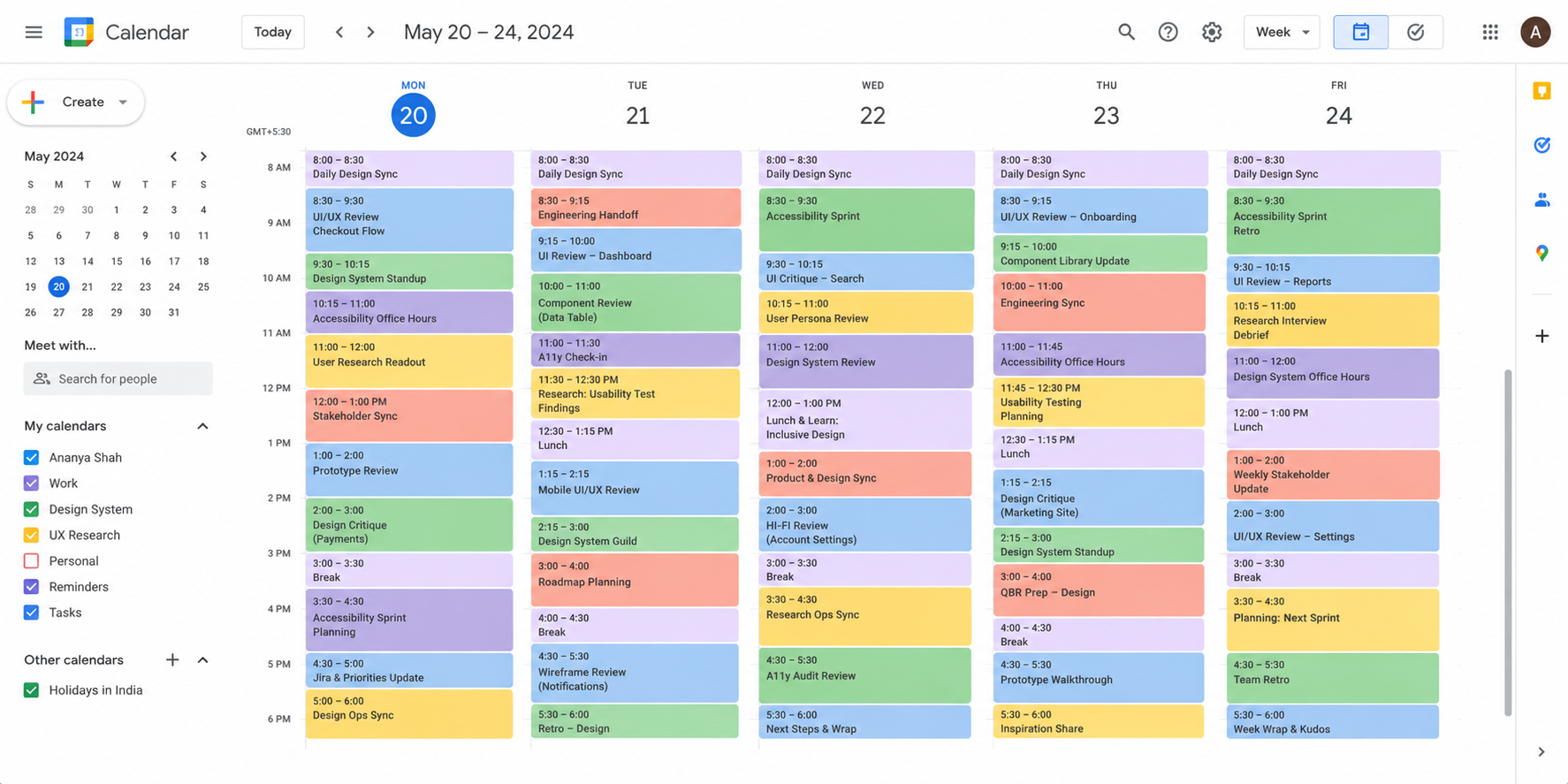
The first startup I joined after Google was building an onchain expiring options exchange. For one of my first features, I wrote a whole design doc. That was what my brain thought responsible engineering looked like. I finished it, showed it to the team, and everyone looked at me like ???
Not because thinking through the design was bad. The question was just simpler: why are you justifying this instead of shipping it?
It also means I picked up habits that simply don't work in the startup world. At Google, improving a product's revenue by even 1% can mean seven or eight figures of extra revenue. That kind of incremental mindset is great in large corps. In startups, it can kill you. You are not looking for rounding errors. You are looking for step changes. You need to be hunting for 10x learning every week.
III. The Small Pond Is Messier
Starting your career directly in startups also has tradeoffs. Constant crunch creates sloppy work and rough edges. "If it works, ship it" is the motto of many teams, and this is especially dangerous in crypto, where there is real monetary value at stake.
There is a reason large companies obsess over review, security, observability, polish, and process. Rough edges compound. At small scale, they feel like speed. At large scale, they become outages, user pain, and sometimes very expensive mistakes.
IV. Ownership Changes Your Brain
Still, I think startups are worth it. I would comfortably say that in my first six months working at a startup after Google, I learned more about shipping and creating things than in my entire last three years at Google.
The rate of growth that you're forced into is like nothing else. Shipping a feature end to end for the first time, then owning every bug report after, changes how you think. It completely rewires your brain chemistry. Your agency goes through the roof.
It turns out that you can really just do things.
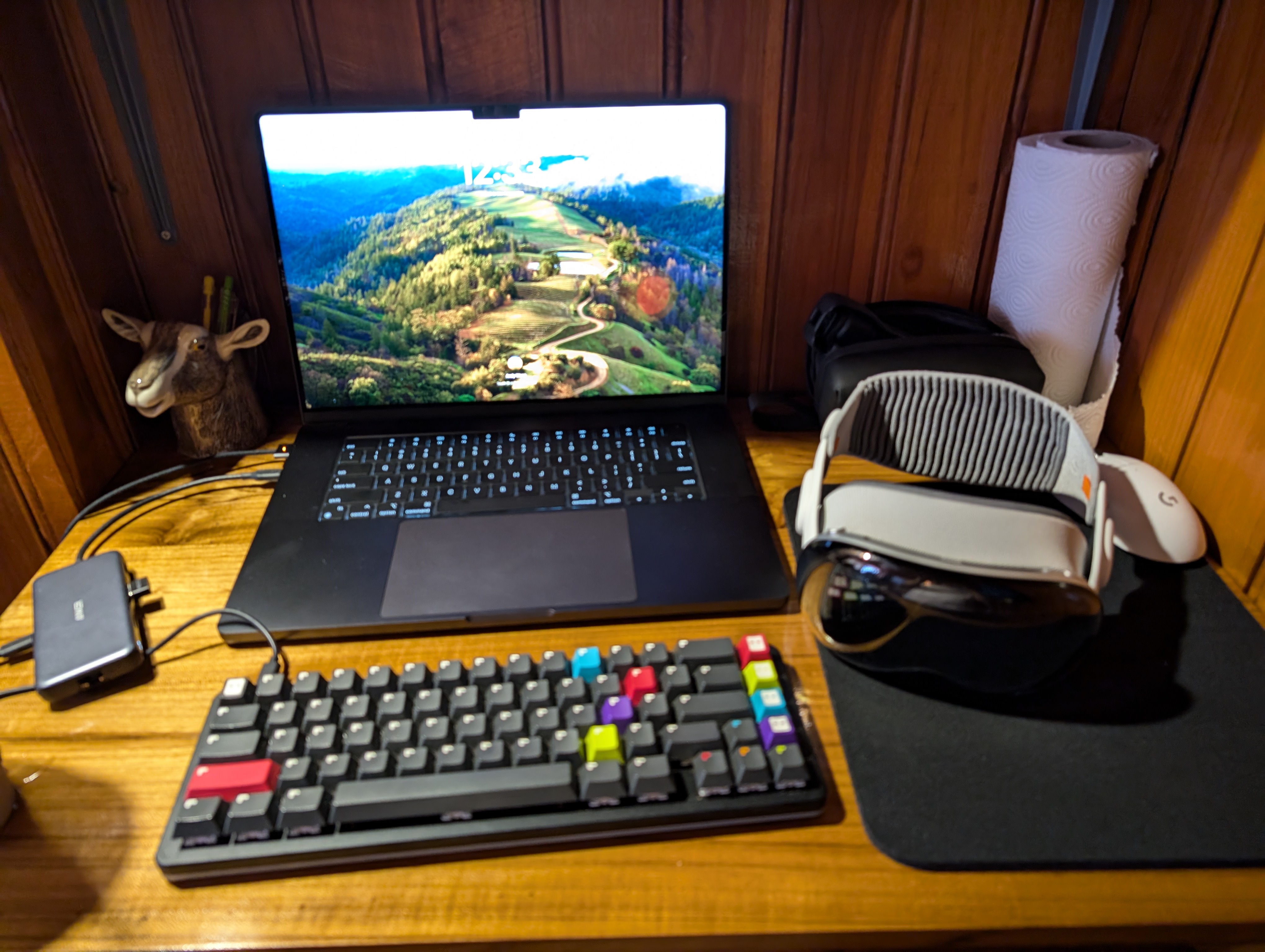
Working in startups has completely changed my worldview, and how I view work. Before that, work felt like moving tickets through a very large system. After that, work felt like seeing a problem, deciding it should exist differently, and then making it different.
V. The Actual Advice
Obvious caveat: not every big company teaches quality, and not every startup gives you ownership. A bad big company can teach you politics and learned helplessness. A bad startup can teach you chaos with a Figma file. The team matters a lot.
Some people should skip big companies entirely. If you already have strong taste, good mentors, and a clear thing you want to build, a big company might just delay you. But most young engineers do not know what good feels like yet. I definitely didn't.
But if you can choose the happy path, my advice to young engineers today is: spend a few years in a large corp if possible to calibrate yourself on what high quality, polished work actually looks like.
Then forget the process, not the taste.
Take the quality bar with you. Leave behind the instinct to wait for permission. Start developing your own ideas in a small pond and become a big fish.
At Google, you won't really get that kind of ownership experience at any point, because even if you're L7, there will always be people to blame. In a startup, there is nowhere to hide. That is the scary part, and also the whole point.